
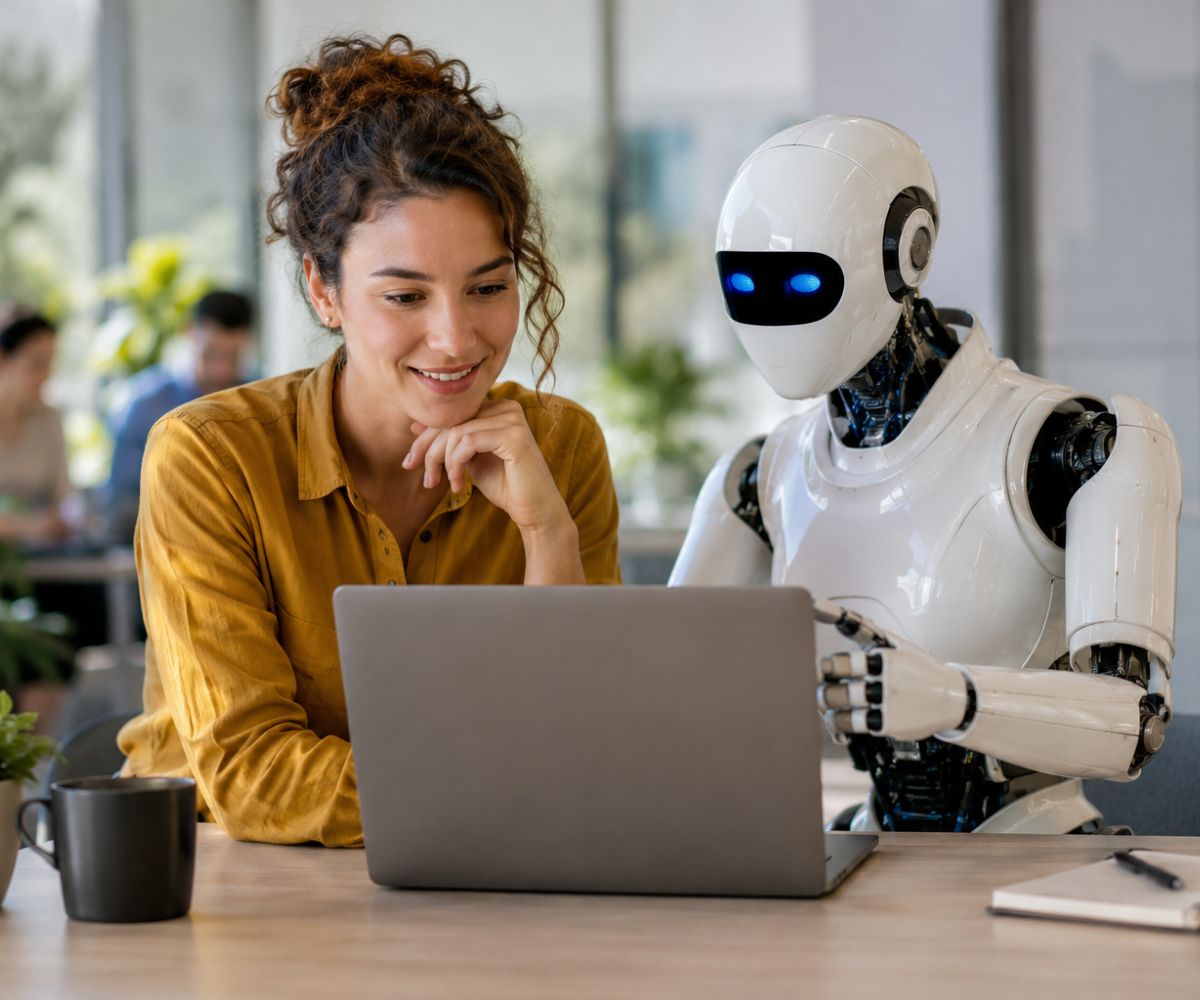
Artificial intelligence (AI) Integration is more than an engineering project of setting up systems, training models, or designing interfaces; it’s about human experiences.
Employees do not use AI systems if they do not trust them; at times when they are forced to use them, the employees will be less effective and thoughtful in their use of the AI system.
In a recent case, an artificial intelligence (AI) tool was used to support decision-making. In theory, the implementation was very good; however, the employees identified the usage of the AI tool was not pure, because of their lack of trust. Each of the employees would double-check the output of the AI system even though the AI tool was accurate.
Check out: Beyond Data Centers: What Africa Still Needs to Compete in the AI Economy – Special Article
This type of mistrust is time-consuming since it significantly slows down operations.
The human-centered integration method is predicated on the idea that technology should change to fit the users, rather than requiring the users to change to fit the technology. To accomplish this, human-centered solutions must include users in the process as early as possible; in educating users on the functionality of the systems; and in providing users with an understanding of the limitations of the systems.
Unfortunately, complete transparency when integrating with human-centered technology may create uncertainties and organizations may not be comfortable with this level of transparency.
In the long-term, investing time to design technology based on user needs pays off in the form of trust. Trust in the systems will lead to usage of the systems and usage of the systems will, in turn, create value.
At JAMS Advisory, we typically remind our clients that the process of adopting a technical system is not an automatic process; it is earned.
Ultimately, it is worthy of note that AI integration is more than a technical challenge; it is also a human challenge!