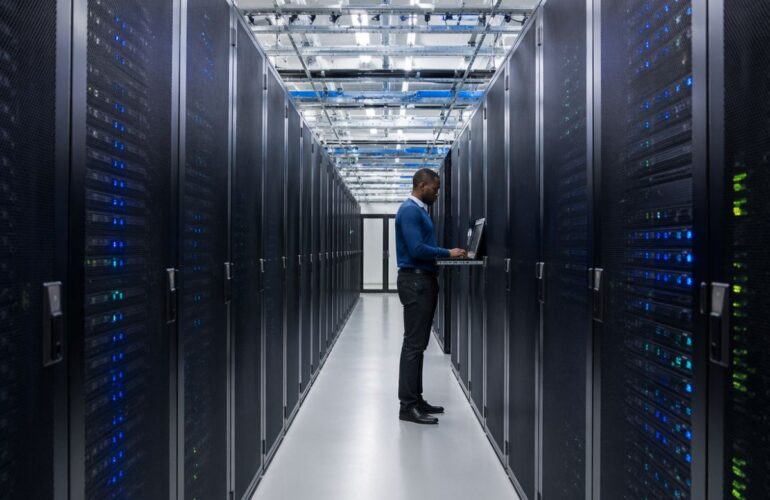
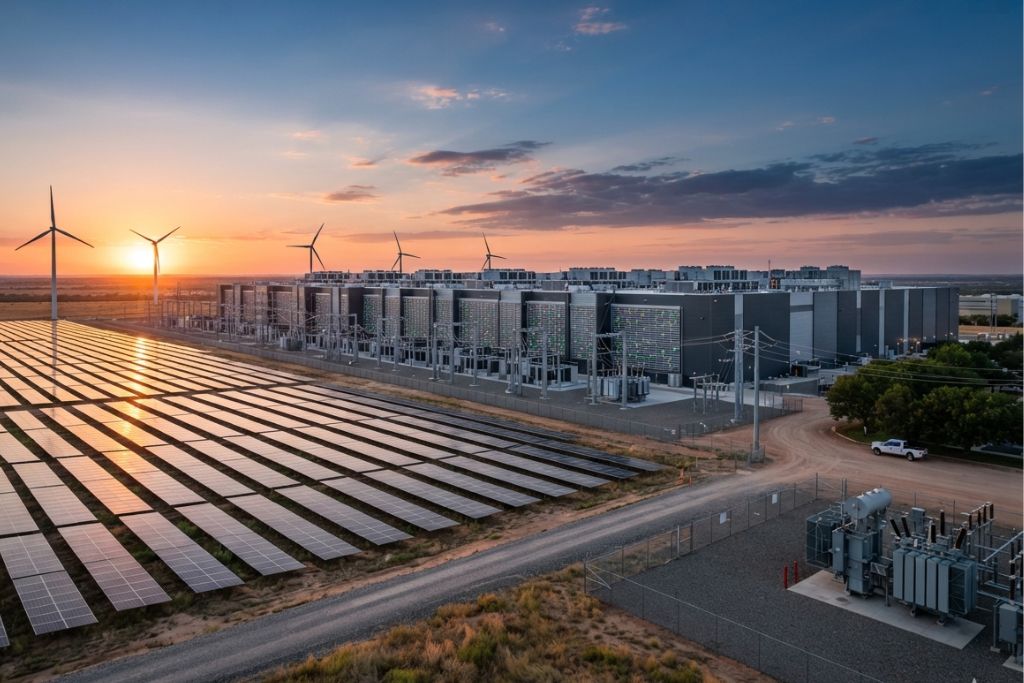
In the context of global technology, there’s an unusual irony that affects the way we view our digital future. The building blocks and infrastructure that enable our digital future are data centers. At the same time, as they become one of the most energy-consuming components of that future, they have created some tension.
This is perhaps most evident when meeting with stakeholders and during strategic discussions on growing the industry’s expected growth rates. The growth rate projections may be exciting. However, the accompanying energy models often cause people to shift uncomfortably in their seats.
The data center boom has reached threshold levels and has become tangible and visible (e.g., in Northern Virginia, Dublin, Africa being in different stages of catching up to the growth potential of the region). However, scaling associated compute usage is straightforward and relatively simple; the issue is scaling the associated energy responsibly.
AI, to what extent is it changing the energy equation?
Generative AI has created a new factor in the equation because of the vast requirement for computing resources compared to previous generations of workloads when applying generative AI. This difference is measured in actual energy consumption and is occurring now not at some unknown point in the future.
However, much of the current discussions around energy strategy are limited to “renewables vs. non-renewables,” which doesn’t tell the whole story, as they all have tradeoffs (reliability, cost, regulation, lags/delays). For example, having a data center powered by solar energy sounds great, but when we factor in the intermittency of solar and storage limitations, it may not be quite as stable as we thought.
Unlock Premium Content
Subscribe to our newsletter to read the full article.