
Cloud computing has been instrumental for several years, enabling organizations to expand rapidly, minimize costs of infrastructure, and obtain robust computing power practically anywhere. Nevertheless, due to the increasing requirement of data in real-time, the importance of edge computing is rising.
However, although edge computing is getting more and more widespread, some still do not understand that it is not about replacing cloud computing, it is much more about making a wise choice about where to process the data in order to achieve utmost efficiency.
Bringing Intelligence Close to the Action
Traditionally, the data produced by devices or applications used to be sent to a centralized cloud platform for processing. Although this works well in many occasions of business operations, it leads to delays in making timely decisions.
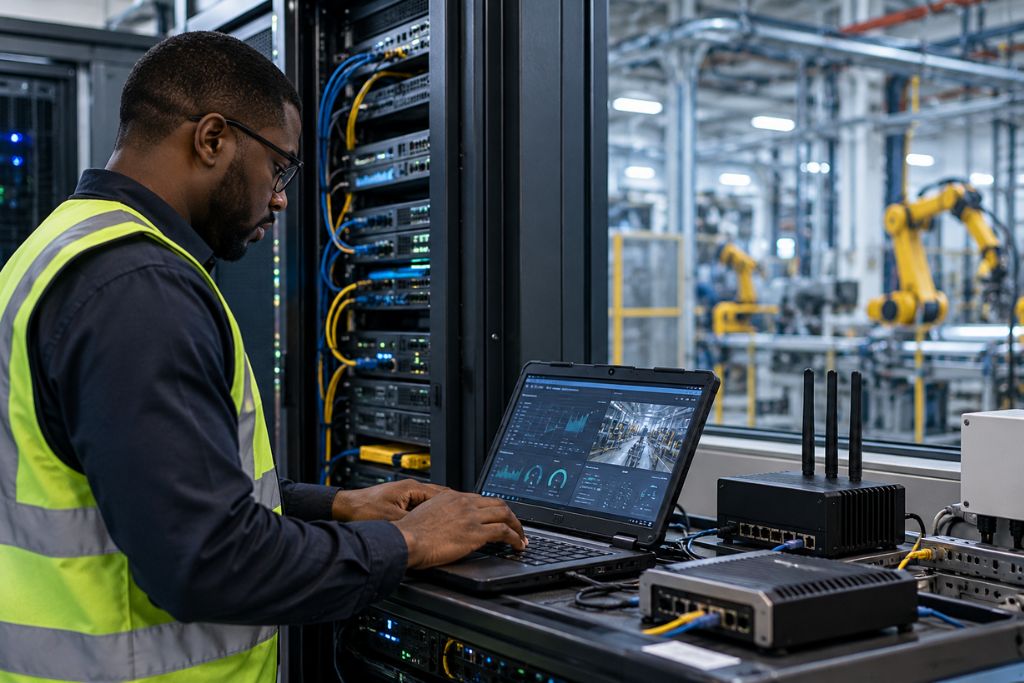
Unlike the traditional approach where data is sent away from the plant, edge computing operates directly at the place of data collection and processing. For example, let’s take a manufacturing company which uses AI-powered sensors to detect any equipment malfunction. When a piece of equipment is in need of repair, the delay in waiting for the data to arrive from the cloud might take a lot of time, and the arrangement of processing of the data on-site enables the maintenance team to respond faster and avoid downtime.
The same advantage can be observed in logistics, healthcare, retail, and energy where the need for speediness and reliability is on the top.
You might be interested in: Confidential Computing Explained
An Addition to Cloud Strategy
Probably the most widespread misunderstanding is the idea that companies are to choose between cloud computing and edge computing when, in fact, both systems should co-exist.
Cloud computing is good for extensive analytics, persistent storage of data, and collaboration throughout the organization, while edge computing is advantageous in applications needing minimal latency, constant availability, or local processing of data due to compliance with some standards or business practices.
Thus, organizations should rather use a combination of both systems in their architecture.
Making Decisions Faster Results in Stronger Companies
Eventually, edge computing is about enhancing organizations’ capability to react rapidly and make actions most efficiently based on the current events in real time. In other words, whether the machine is breaking down or the user experiences the best services in the world. In any case, moving processing to the edge makes it possible for companies to add value.