
Brand equity has always been one of the most important assets for the organization. Customers take years to build trust but one hack, AI mishap, or poorly handled situation could erode that trust in an instant. For business executives, protecting the brand equity has become more than marketing duty; it’s a strategic priority.
Customers are not judging brands on the basis of the products only anymore. They also track how companies use customer data, react to events, and adopt new technologies.
Trust Is Built Today
The reputation of the brand is developed with lots of small decisions rather than one big campaign. For example, a brand that shows transparency and communicates with their customers after a disruption earns more respect than a brand that chooses to remain silent. Similarly, using AI in a responsible way, communicating about the application of customer data, and being accountable about it creates long-term trust.
Leadership is extremely important in this situation. Executives who are placing ethics, security, and consumer interest at the forefront of their decision-making processes are forming the vision and identity of the organization.
You might also be interested in: Integrated C-Suite Collaboration: Moving Beyond Polite Alignment
Governance Supports Reputation
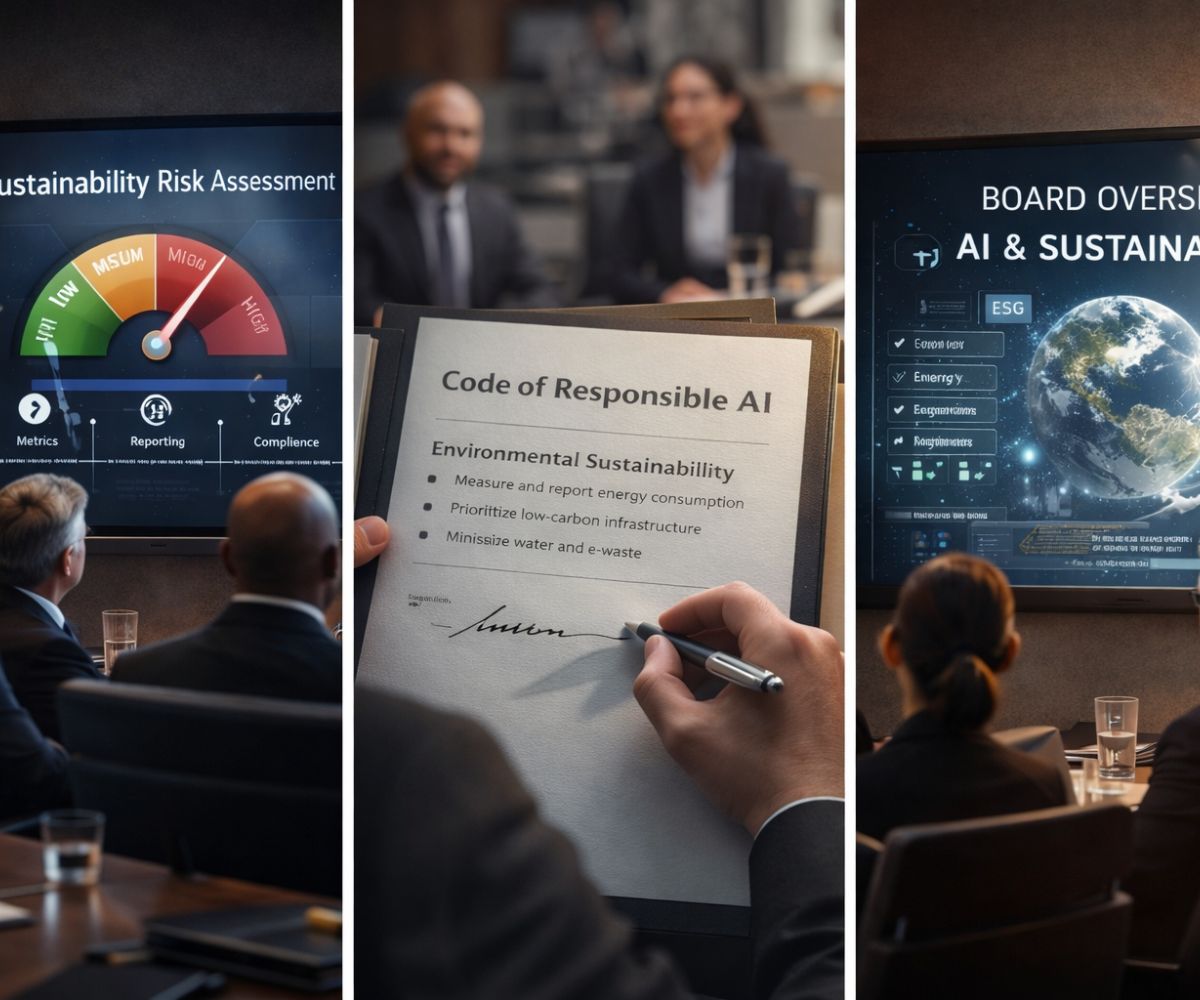
Protecting brand equity is much more than having a good PR department. It requires good governance of cybersecurity, digitalization, compliance, and risk management. Boards should ensure that they are continually reevaluating the effectiveness of existing policies in terms of rapidly evolving threats.
Strong crisis management can prevent the confusion during the time of cyber attack, while the effective AI governance can avoid the wrong decisions being taken that would damage customer trust. Although all of the above does not promise big headlines, it is precisely what businesses will be remembered for after a crisis.
Reputation Is a Long-Term Investment
Many firms spend millions developing their brand but do not devote almost anything to its protection. The absence of such support may become very expensive in the context of the digital threats evolution.
The best brands are not those who avoided all troubles; they are the ones who respond in an accountable, open, and consistent way when trouble comes up.
In the era when customer trust drives loyalty, investment confidence, and competitive advantage, protecting the equity of the brand is no longer a PR issue but a number one leadership issue.